 Skip to content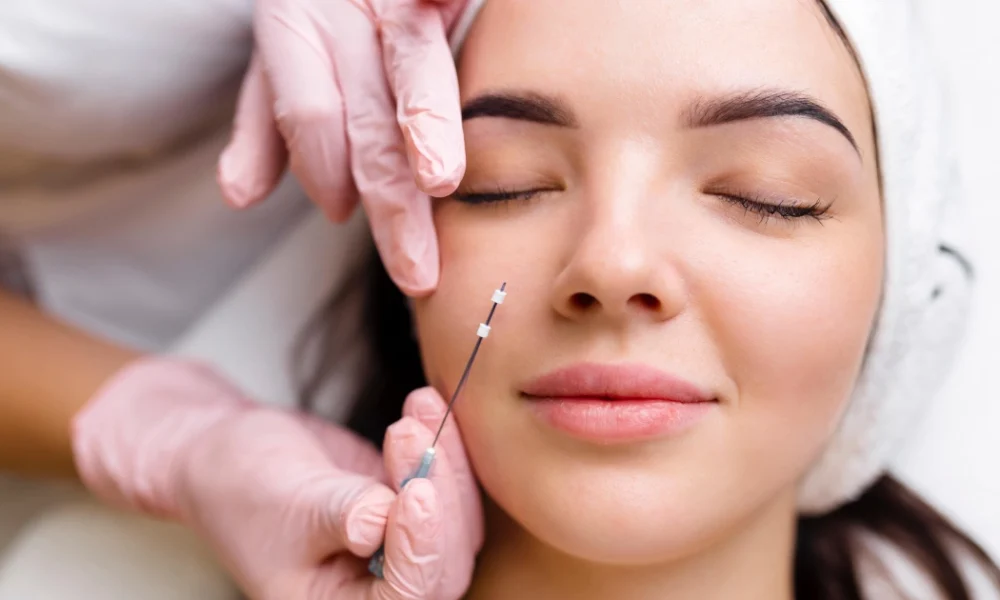
A bit of sagging around the jawline, tired-looking cheeks, or deeper folds around the mouth can suddenly make you feel older than you are. If you’re beauty-conscious, curious about new treatments, and tired of short-term fixes, the range of options can feel overwhelming. You want something that looks natural, fits your lifestyle, and delivers results you can trust.
That is where PDO threads, traditional facelifts, and minimally invasive cosmetic treatments come in. PDO threads use dissolvable polydioxanone sutures placed under the skin. These threads lift mild to moderate laxity while encouraging new collagen formation. A traditional facelift is a surgical procedure designed to reposition deeper tissues and remove excess skin.
Sculpted Aesthetics in Columbia offers PDO threads and a traditional facelift, a skin-tightening procedure. If you’re near Columbia and searching for PDO Threads in Columbia, SC, our medical team will help you choose the treatment that best fits your aesthetic goals.
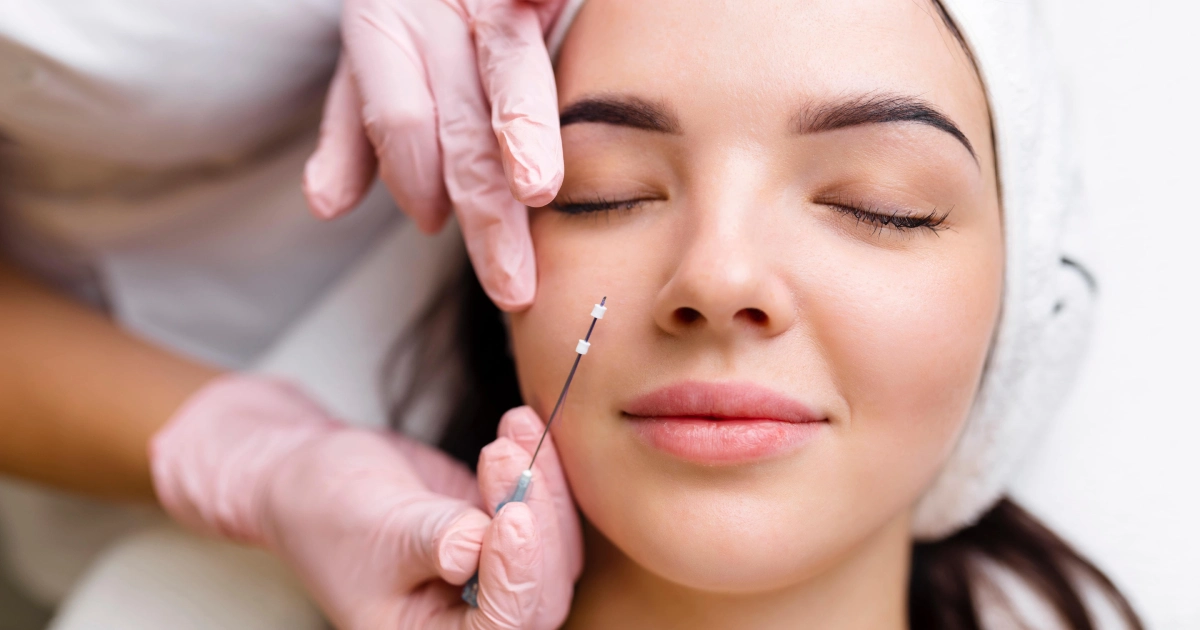
When considering the pros and cons of a PDO thread lift, it’s essential to understand how this treatment works, what it delivers, and the typical recovery timeline. At its core, a PDO thread lift uses dissolvable polydioxanone sutures placed beneath the skin to lift and tighten mildly sagging areas while triggering collagen production.
When you consider a traditional facelift, you’re looking at a surgical procedure that lifts and tightens deep tissues, removes excess skin, and creates a more defined facial contour.
If you’re researching facelift alternatives and want a balance between effectiveness and a quicker recovery, PDO threads may be the right fit. If you’re focused on a more dramatic transformation and prefer long-lasting structural change, a facelift may be a better option.
Sculpted Aesthetics supports clients who want results that feel natural, confident, and true to their features. Whether you’re considering a subtle lift with PDO threads or wish to understand how your skin may benefit from different treatments, our medical team focuses on providing clear information and personalized care. Contact Us Today!
PDO threads work well for adults in their 30s through 50s who notice early to moderate skin laxity. If you have mild jowling, early sagging in the cheeks, or want sharper facial contours without surgery, this non-surgical facelift option may be ideal.
A traditional facelift is often recommended for those beyond the moderate aging stage. If you’re experiencing more significant sagging, deeper lines, or loose skin around the lower face & neck, surgery may offer the most noticeable and long-lasting improvement.
For PDO threads, preparation is minimal. Avoiding alcohol and specific supplements for a few days can help minimize bruising. Most people schedule a consultation first to review goals and determine thread placement. We recommend a simple skincare routine or hydration plan to support healing.
Preparing for a traditional facelift is more involved. You may complete lab work, adjust medications, stop smoking, and plan time off. Because surgery requires anesthesia, you’ll need a friend or loved one to drive you home and help during initial recovery.
PDO threads typically take 30 to 60 minutes, based on the number of threads and treatment area. A numbing agent keeps the experience comfortable. Threads are inserted just beneath the skin and gently positioned to lift targeted areas. Most people describe the sensation as pressure rather than pain.
A traditional facelift takes several hours. The surgeon makes incisions around the ears or hairline, lifts deeper facial tissues, and removes extra skin. Because this is a surgical procedure, you’ll be under anesthesia, and a postoperative plan will be provided.
PDO thread results appear immediately, with continued improvement as collagen continues to build. The lift typically lasts between 12 and 24 months. Since threads dissolve naturally, many clients choose maintenance treatments as their skin continues to age.
Traditional facelift results last several years, often between seven and ten. Because the facelift changes deeper structures, the outcome holds longer before aging becomes visible again.
PDO threads lift mild to moderate sagging and stimulate collagen production, but they don’t provide the deeper correction of a surgical facelift. They work best for people who want a noticeable yet natural enhancement without significant downtime.
Most people resume their everyday routines within a couple of days. Mild swelling, tenderness, or tightness fades within a week or two. You’ll see results improve as collagen forms over several weeks.
Most clients feel pressure rather than pain because a numbing agent is used. Mild soreness afterward is normal and typically resolves quickly.
A surgical facelift often lasts several years because it corrects deeper tissues. Many people enjoy results for a decade before aging becomes more visible again.
PDO threads are made from medical-grade materials used in other surgical settings. They dissolve naturally over time, stimulate collagen, and lift the skin.
If you’re comparing PDO threads vs a traditional facelift and want guidance tailored to your skin, Sculpted Aesthetics can help you understand the best approach for your goals. When you’re ready to explore options for smoother skin and a refreshed appearance, take the next step. Rejuvenate your look schedule now!
Get in touch
FNP-C, Injector
Head Aesthetic Injector
Owner & Injector
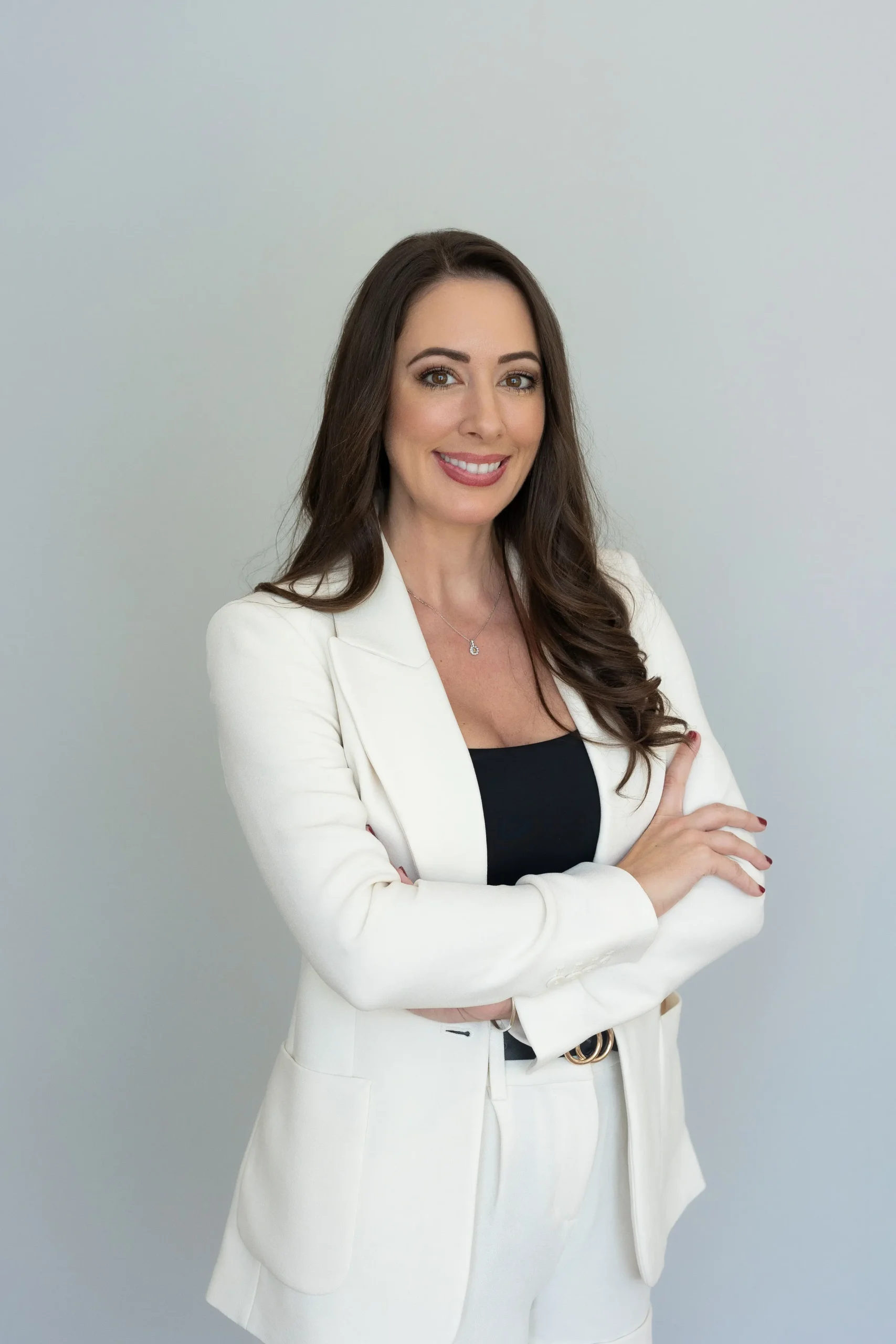
Hi! I’ve been a Registered Nurse for 12 years and a Family Nurse Practitioner for 9. I’ve spent the last 6 years as an Advanced Injector and absolutely love what I do.
My passion for aesthetics began in my teens and early 20s when I struggled with acne and melasma. That experience sparked a deep interest in skincare and a desire to find treatments that truly work.
In my late 20s, my focus shifted toward slowing the aging process and maintaining a youthful, refreshed appearance which ultimately led me into the world of aesthetic injectables.
I’m passionate about helping others feel confident in their own skin by delivering natural, balanced results through safe and effective treatments.
My artistic abilities, eye for symmetry, and dedication to continuing education and training to perfect my techniques have been crucial assets in becoming the injector I am today. I have received certification in injectables through AMET, EMPIRE, and AAFE and have trained with some of the top injectors in the industry, including Erika Barry, Dr. Arthur Swift, Audrey Rose, Victoria Pressley, and Inna Prokopenko. I have also attended elite training courses through Allergan, Merz, Prollenium, and Galderma and attended sought-after conferences such as Swift Beauty, ARI Cadaver Course, and Modern Beauty. I will also be a Revanesse Versa trainer for other injectors starting this winter, which has always been a goal of mine. In my free time, I love to cook, spend time with my family and friends, and travel the world. I look forward to meeting you and helping you achieve your aesthetic goals!

FNP-C, Injector
Head Aesthetic Injector
Hi! I’ve been a Registered Nurse for 12 years and a Family Nurse Practitioner for 9. I’ve spent the last 6 years as an Advanced Injector and absolutely love what I do.
My passion for aesthetics began in my teens and early 20s when I struggled with acne and melasma. That experience sparked a deep interest in skincare and a desire to find treatments that truly work.
In my late 20s, my focus shifted toward slowing the aging process and maintaining a youthful, refreshed appearance which ultimately led me into the world of aesthetic injectables.
I’m passionate about helping others feel confident in their own skin by delivering natural, balanced results through safe and effective treatments.
My artistic abilities, eye for symmetry, and dedication to continuing education and training to perfect my techniques have been crucial assets in becoming the injector I am today. I have received certification in injectables through AMET, EMPIRE, and AAFE and have trained with some of the top injectors in the industry, including Erika Barry, Dr. Arthur Swift, Audrey Rose, Victoria Pressley, and Inna Prokopenko. I have also attended elite training courses through Allergan, Merz, Prollenium, and Galderma and attended sought-after conferences such as Swift Beauty, ARI Cadaver Course, and Modern Beauty. I will also be a Revanesse Versa trainer for other injectors starting this winter, which has always been a goal of mine. In my free time, I love to cook, spend time with my family and friends, and travel the world. I look forward to meeting you and helping you achieve your aesthetic goals!